

One of the biggest changes I’ve made in how I grocery shop wasn’t a new store, a tighter budget, or a more detailed meal plan.
It was stopping myself from starting from scratch every month.
Instead, I built one Base Grocery List — a list of staples I know our household uses consistently — and I use it as my launching point every single month.
From there, I add seasonal produce, sale items, and a handful of extras tied to that month’s meals. The base stays the same. The variety comes from what I layer on top.
This one shift has made it possible for us to shop monthly, with only quick top-ups of milk through the month, while keeping food fresh and waste low.
What Is a Base Grocery List?
A Base Grocery List is not a meal plan.
It’s the foundation that makes meal planning easier after the groceries are home.
Instead of asking:
“What exactly are we cooking this month?”
I ask:
“What do we always need in the house so meals are possible?”
This list:
- Keeps the pantry stocked
- Supports flexible, mix-and-match meals
- Reduces impulse buying
- Makes it easier to shop sales and seasonal produce
Once the base is covered, everything else becomes optional instead of overwhelming.
How This List Becomes a Launching Point
The Base Grocery List is not meant to be rigid.
It’s intentionally made up of:
- versatile vegetables
- reliable proteins
- pantry staples we always use
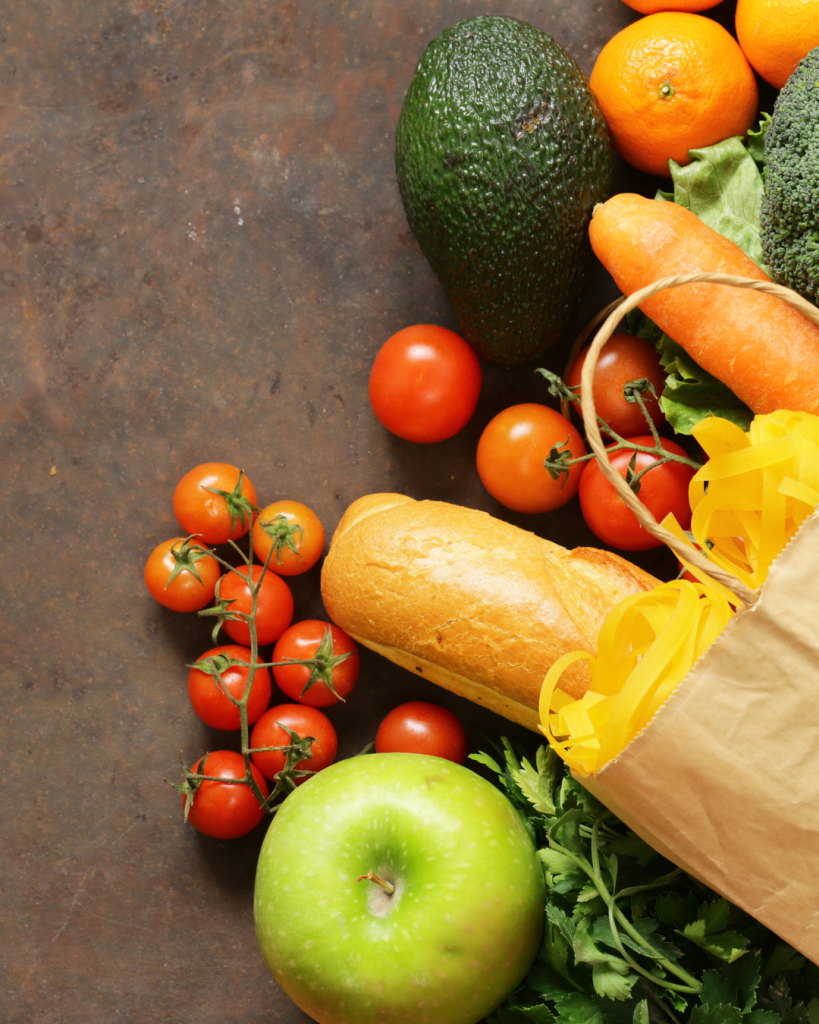
Once those are covered, I add seasonal fruit and vegetables for variety.
In the summer, that might mean berries, zucchini, and fresh herbs.
In the fall, it might be squash, apples, and root vegetables.
Because the base list already supports meals, seasonal produce becomes a bonus — not something I feel pressured to use perfectly.
How We Shop Monthly (With Simple Top-Ups)
Because this list covers the bulk of what we need, we’re able to do a monthly grocery shop.
The only things we typically top up during the month are:
- milk
- occasionally fresh fruit
Everything else is planned to last.
That doesn’t happen by accident — it’s supported by how we think about when food gets used.

Dividing the Month Into Thirds
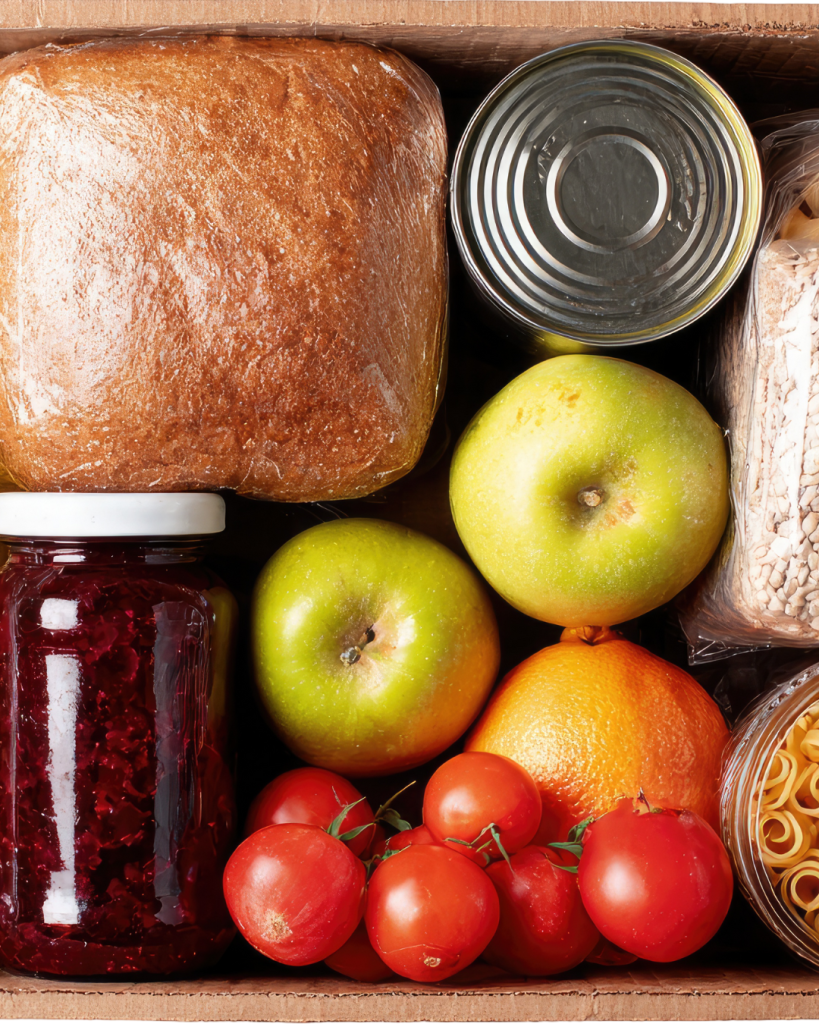
Instead of expecting all produce to stay fresh for the entire month, I mentally divide the month into thirds:
First Third: Fresh
This is when we eat:
- salads
- delicate produce
- fruits and vegetables that don’t last as long
Second Third: Fresh but Cooked
As produce starts to soften, it gets:
- roasted
- sautéed
- added to soups, sauces, and casseroles
Cooking extends its life and keeps it from being wasted.
Final Third: Frozen
Anything that won’t get used fresh gets:
- chopped and frozen
- cooked and frozen
- or turned into freezer meals
This rhythm means food gets used before it goes bad — without needing a strict plan.
Why I Don’t Assign Vegetables to Specific Meals
One of the biggest reasons this system works is flexibility.
I don’t decide:
“These peppers are for Tuesday’s meal.”
Because produce is unpredictable:
- some vegetables last longer than expected
- others turn quicker than usual
By keeping vegetables interchangeable, I can:
- use what’s freshest first
- shift meals without stress
- avoid food waste
This is also why the Base Grocery List focuses on versatile vegetables that work in many meals.
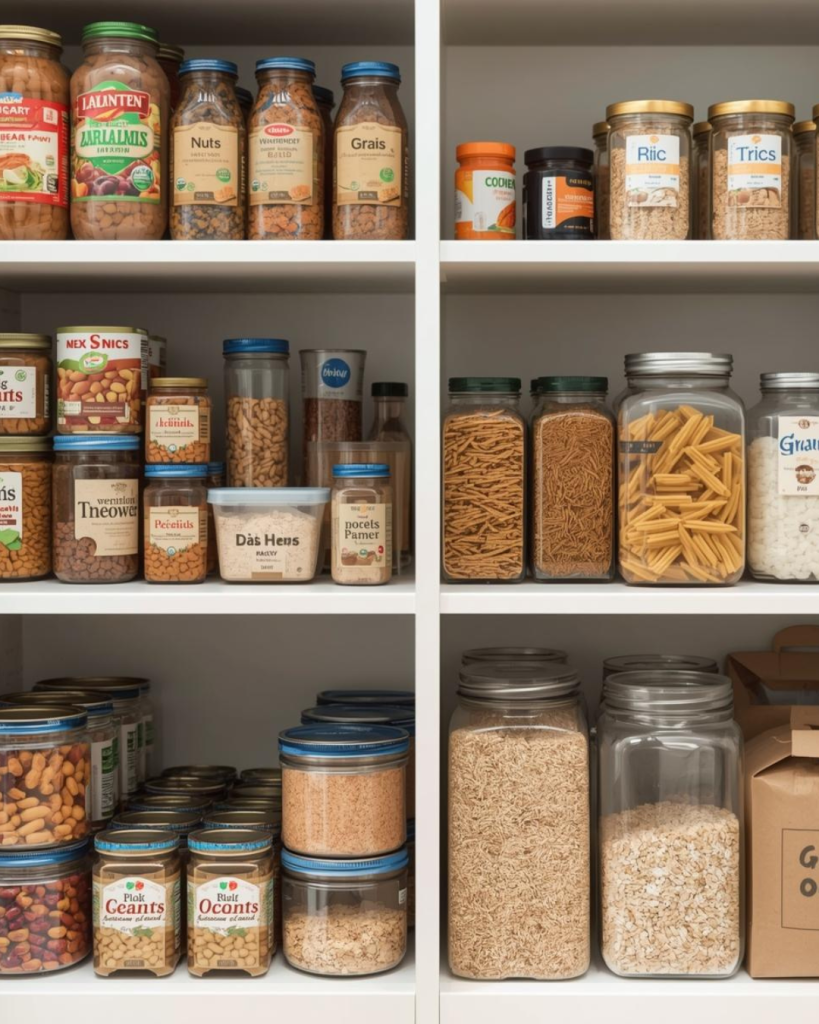
My Base Grocery List
Proteins & Meat
- Whatever meat is on the manager’s special (to stock the freezer)
- Whatever meats I need for the month
- Bacon or breakfast sausage
- Deli meats
- Jerky or beef sticks
- Tuna
Dairy & Eggs
- Cheese
- Cream
- Butter
- Cottage cheese
- Eggs
Produce – Vegetables
- Broccoli
- Premix salad
- Spinach
- Celery
- Carrots
- Onions
- Potatoes
- Peppers
- Tomatoes
- Cucumber
Produce – Fruit
- Apples
- Bananas
- Melon
Pantry Staples
- Wraps
- Peanut butter
- Pasta
- Tomato sauce or passata
- Flour
- Olive or avocado oil
- Coffee
- Cereal or oatmeal
- Nuts
Frozen
- Frozen vegetables
- Kirkland Chicken Chunks
Seeds & Add-Ins
- Hemp hearts
- Chia seeds
Why This System Works Long-Term
This approach:
- supports monthly shopping
- keeps produce from going bad
- allows seasonal variety
- reduces decision fatigue
- works even when plans change
Instead of trying to execute a perfect plan, you’re building a well-stocked, flexible kitchen — and that’s what actually makes feeding a family easier.
Start With the Base, Then Adjust
Your Base Grocery List doesn’t need to look exactly like mine.
But having a base — something you always start from — makes everything else simpler.
Cover the basics. Add what’s in season. Stay flexible.
That’s the system.




Leave a Reply