
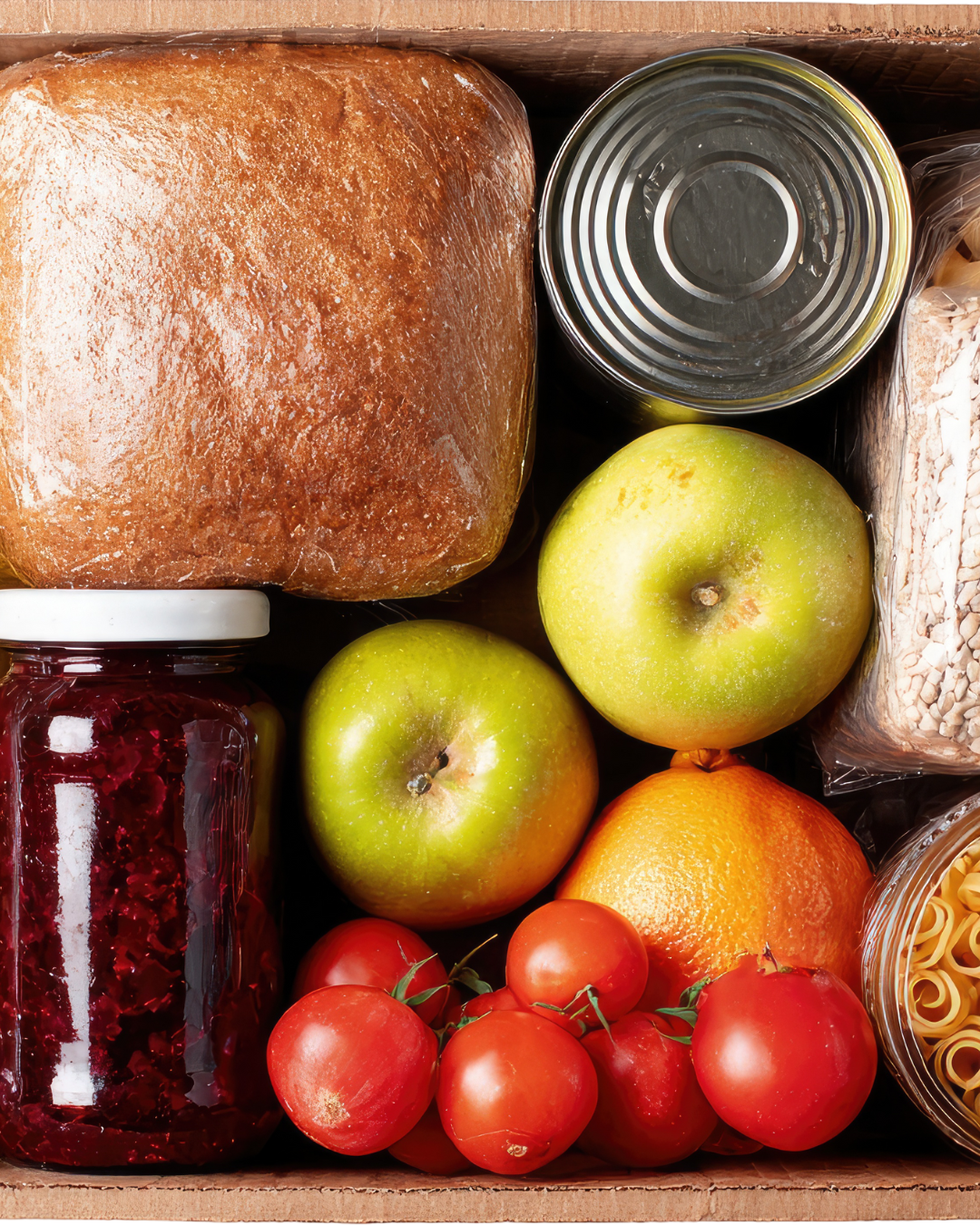
If monthly grocery shopping sounds overwhelming, complicated, or unrealistic, you are not alone. For many mothers, the idea feels like something only ultra-organized people with endless time and storage can manage.
In reality, monthly grocery shopping is one of the most beginner-friendly systems you can adopt—because it reduces how often you have to plan, decide, and scramble.
This guide is designed for real families, real budgets, and real energy levels. You do not need perfection, a deep freezer, or a color-coded spreadsheet. You need a clear process.
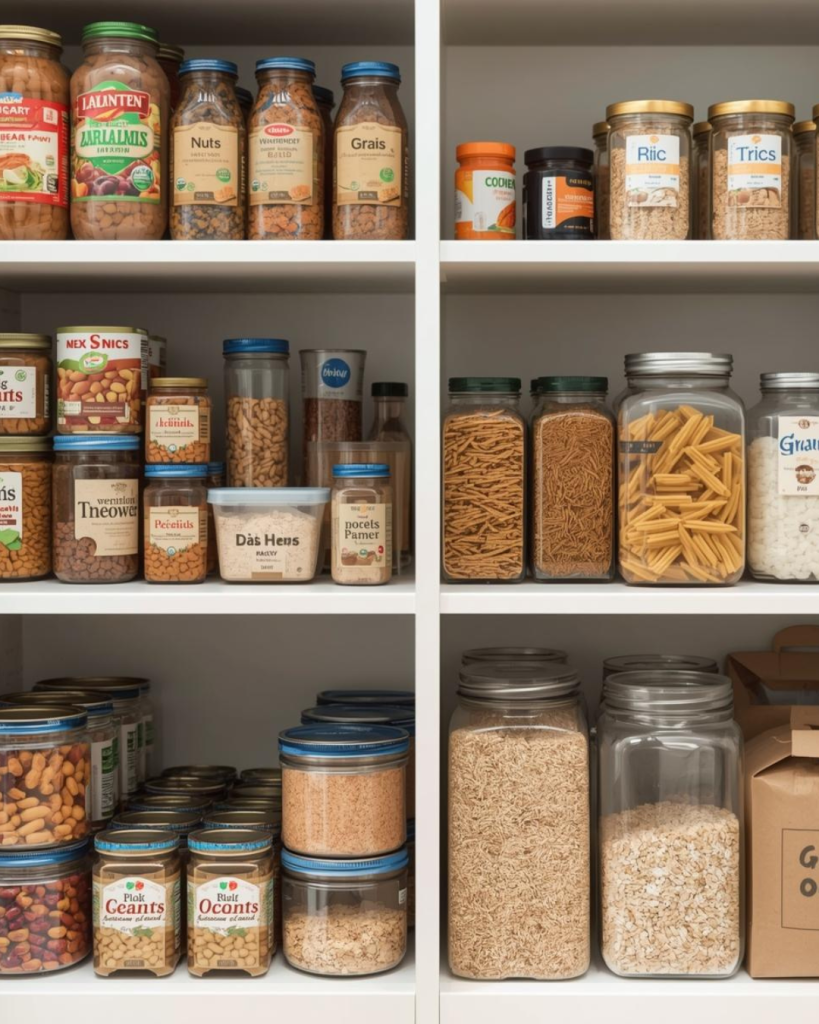
Step 1: Stop Planning Meals—Start Planning Food
One of the biggest mistakes beginners make is trying to plan a full month of meals.
That approach is exhausting and unnecessary.
Instead of planning meals, plan ingredients.
Ask yourself:
- What proteins does my family reliably eat?
- What starches form the base of most of our meals?
- What vegetables do we use again and again?
When you stock ingredients that combine easily, meals naturally fall into place without constant planning.
Step 2: Take a Simple Pantry & Freezer Inventory
Before you shop, you need a realistic picture of what you already have.
This does not require organizing everything or making it pretty. Simply walk through your pantry, fridge, and freezer and write down:
- Proteins on hand
- Starches and grains
- Canned goods
- Frozen vegetables and fruit
This step alone often saves money by preventing duplicate purchases.
Step 3: Build Your Monthly Grocery List in Categories
A monthly grocery list should be built by category, not by recipe.
Focus on:
- Proteins (meat, eggs, beans)
- Starches (rice, pasta, potatoes, flour)
- Vegetables (fresh, frozen, canned)
- Pantry staples (oil, spices, sauces)
- Breakfast basics
This makes your list flexible and reusable month after month.
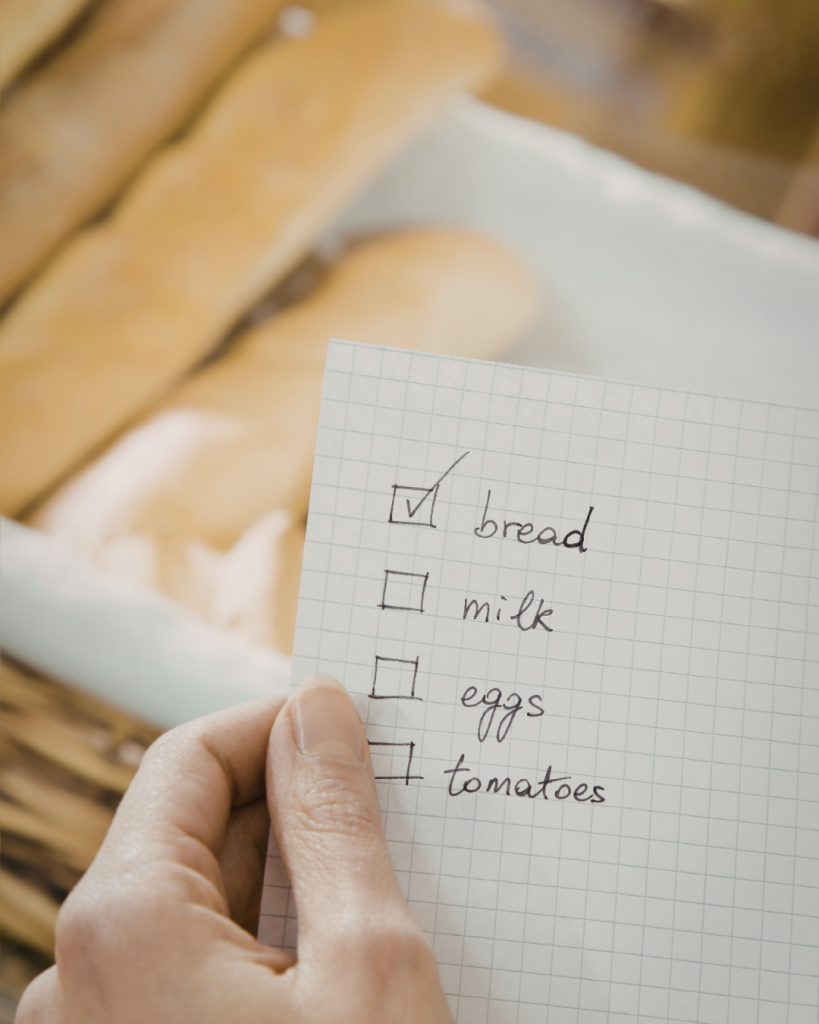
Step 4: Plan One Main Shop + One Small Restock
Monthly grocery shopping does not mean one trip forever.
A realistic rhythm includes:
- One main grocery trip for pantry, freezer, and bulk items
- One smaller fresh-food restock every 1–2 weeks
This keeps produce fresh without forcing weekly full-scale planning.
Step 5: Expect an Adjustment Period
Your first month will not be perfect—and it doesn’t need to be.
You may run out of a few things. You may overbuy others. This is normal.
Each month builds familiarity with your family’s actual habits, which is far more valuable than getting everything right the first time.

Why This System Works for Busy Mothers
Monthly grocery shopping works because it reduces repetition.
You make fewer decisions, take fewer trips, and stop carrying grocery planning in your head all week long.
For mothers who want to stretch both time and money without lowering standards, this system creates breathing room.



Leave a Reply