
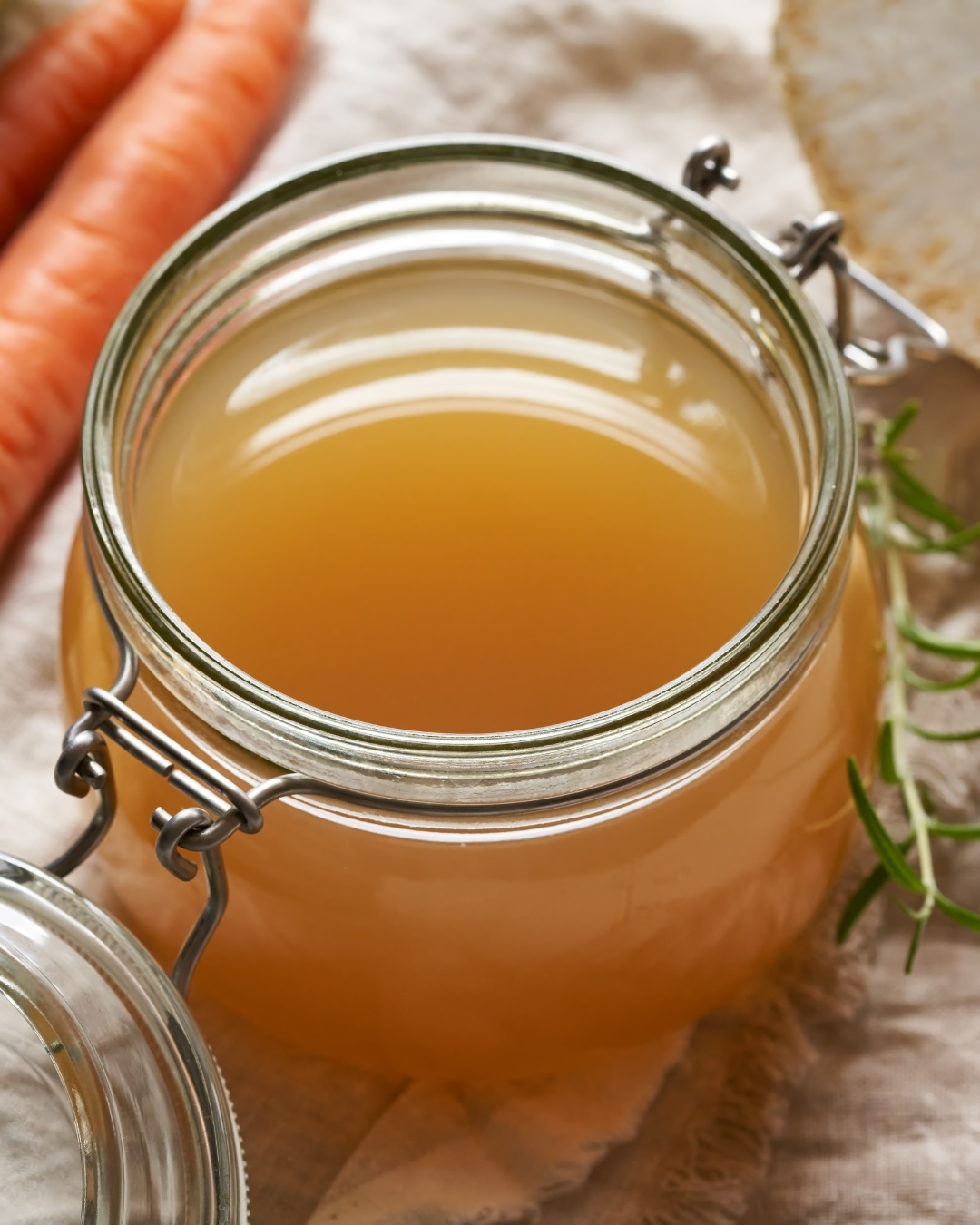
There’s something deeply satisfying about knowing that the foundation of your meals is something you made yourself. Homemade bouillon is one of those humble staples that quietly transforms everything it touches — soups, gravies, casseroles, sauces, and even rice. It’s a concentrated way to preserve flavor from your kitchen scraps, bones, and herbs, and it’s incredibly easy to make once you know how.
If you’ve ever looked at the ingredients on a store-bought bouillon cube, you’ve likely seen a long list of additives, preservatives, and artificial flavors. This homemade version skips all that — it’s just real food, real flavour, and a perfect way to make the most of what you already have.
Why You’ll Love Homemade Bouillon
- Zero waste – It uses leftover vegetable peels, bones, and herbs that might otherwise be tossed.
- Nutrient-rich – Packed with minerals from bones and vegetables that nourish the body.
- Budget-friendly – Stretch your groceries further by turning scraps into something delicious and useful.
- Customizable – Make it chicken, beef, or veggie-based. Add herbs, spices, or even a touch of sea salt to suit your family’s taste.
- Shelf-stable – With a bit of salt and dehydration (or freezing), this bouillon keeps for months.

Ingredients & Tools
You don’t need anything fancy — just what’s already in your kitchen.
For a basic batch:
- 4 cups vegetable scraps (carrot peels, onion skins, celery ends, garlic, herbs)
- 1–2 lbs bones (chicken, beef, or mixed — optional for a vegetarian version)
- 2 bay leaves
- 1 tbsp sea salt
- Water to cover
- Optional: thyme, parsley, peppercorns, mushroom stems, or leek greens for depth
Tools:
- Large stockpot or slow cooker
- Fine mesh strainer
- Blender or food processor
- Baking sheet or dehydrator (if making powder form)
- Ice cube tray (if freezing paste form)
How to Make It
1. Collect your scraps.
Keep a bag or container in the freezer for vegetable ends, herb stems, and bones until you have enough to make a pot.
2. Simmer the broth.
Add all your ingredients to a large stockpot, cover with water, and simmer on low for 4–6 hours (or overnight in a slow cooker). Strain and discard the solids.
3. Reduce and concentrate.
Pour the strained broth back into the pot and simmer uncovered until it reduces by about half. You want a strong, concentrated flavor.
4. Blend into a paste (optional).
For bouillon paste, blend the concentrated broth with some of the cooked vegetables (if you saved any) and about ¼ cup of salt. Spoon into jars or freeze in cubes.
5. Or make powder.
Dehydrate the paste or reduced broth until dry, then grind into a powder. Store in an airtight jar in your pantry.

How to Use Homemade Bouillon
- 1 tsp bouillon paste or powder = 1 cup broth
- Add to soups, stews, gravies, sauces, or even while cooking rice and pasta.
- Stir a spoonful into mashed potatoes or roasted veggies for extra depth.
Making the Most of What You Have
At Dinner at the McGills, one of our guiding principles is use what you have and waste nothing. Bouillon fits that perfectly. A handful of carrot tops, some onion skins, and a few chicken bones — what might have been garbage — becomes something that feeds your family again and again.
It’s a small act of stewardship, of taking care of your kitchen and your blessings. And every time you open a jar of your own homemade bouillon, you’ll be reminded that good food doesn’t have to come from a store — it can come from your own hands.
Homemade Bouillon

Ingredients
- 4 cups mixed vegetable scraps
- 1–2 lbs bones (optional)
- 2 bay leaves
- 1 tbsp sea salt
- Water to cover
- Optional herbs & spices
Instructions
:
Combine all ingredients in a pot, cover with water, and simmer 4–6 hours.
Strain and return broth to pot. Reduce by half.
For paste: blend with salt and freeze in cubes.
For powder: dehydrate and grind to a fine texture.
Store paste in the fridge (up to 6 months) or powder in a jar (up to a year).


Leave a Reply